From 0 to Good Credit Score: My Journey to Building Credit History
This post is about my personal journey when I was planning to buy a house abroad. I’ll be sharing it mainly as a story, but I hope you’ll find many useful insights from my experience. I’ll try to write everything in a chronological way, so it’s easier to understand the different phases of life involved in buying that house.
This entire Wealthy Road blog is based on my real experiences and learnings—things I couldn’t easily find elsewhere. That’s why I want to keep it practical and helpful for everyone, so it can make your journey a little easier.
So, let’s get straight into my journey of building a good credit score from 0.
Day 0 to 10: Starting Life Abroad With 0 Credit History
Realizing Renting vs. EMI
I moved to a new European country to continue my engineering job, and after living there for about a week, I realized that renting was much more expensive than paying an EMI (unlike in India). That’s when I started thinking—as an immigrant, can I actually purchase a house here?
The answer was yes. The key requirements were:
- A good, high-paying salary (which I had)
- A strong credit score (I had 0 history)
The challenge, however, was that I had no address history, no loan history, and had just opened my first bank account there. Still, one thing I was certain about was that within the next 1 to 1.5 years, I needed to buy a house because of the significant difference between rent and EMI. So, I decided to figure out everything I would need in order to secure a mortgage.
So, I started with opening a zero-fee bank account (a high street account). In many Western countries, banks often charge monthly fees, unlike in India where you just maintain a minimum average balance. Luckily, I found a no-fee account with no overdraft facility, which suited me well since I prefer to avoid overdrafts and their interest charges.
The Challenge of Building Credit History
Once I had my bank account, my next priority was to build a credit score. I knew that getting a mortgage at the best interest rate would only be possible with a good credit score. My strategy was to get a free credit card. After a lot of research, I discovered that my bank offered a rewards credit card with no joining or annual fees. However, the catch was that this card wasn’t available to everyone—it was only given to customers with a good credit history, so they declined my request 🥹
This took me back to what I mentioned in my first blog post, Beginner’s Guide to Getting Your First Credit Score: it’s a loop. To get a good credit card, you need a credit score. But to build a credit score, you first need a credit card.
Day 10 to 30: Finding the Right Credit Card
Struggling to Find the Right Credit Card
I started researching which credit card I could apply for, and there were only a few options. Unfortunately, I couldn’t find any fixed-deposit backed credit cards in that country—otherwise, I would have applied within a week of opening my bank account. Because of this, my journey to finding the right credit card became a little tougher.
Complicated Application Processes
I came across a few easy-approval credit cards, but the application process was complicated. They required too many documents like salary slips, offer letters, and even asked me to post my original passport by mail for verification (which they promised to return later). I wasn’t comfortable with such a hectic process, so I decided against it.
Finally Getting My First Credit Card
After a month, when my bank account saw my first salary along with some savings, I contacted my bank again to see what credit card options they could offer based on my income. Luckily, they approved me for a basic free credit card with a small credit limit (£500) and a very high interest rate. The good part was that the approval process was done entirely via the mobile app, and the card was delivered to me within just 2–3 days.
This was the moment I realized that my journey toward building a credit score had truly begun. I had already researched what to avoid and how to use a credit card wisely, so that it would work in my favor rather than for the bank or lender. I also knew the key factors that could impact my credit score.
I’ve even written a separate post on this topic: Top Mistakes Beginners Make With Their First Credit Card in India.
Month 1 to 6: Using First Credit Card Into Credit Growth
Using My First Credit Card Responsibly
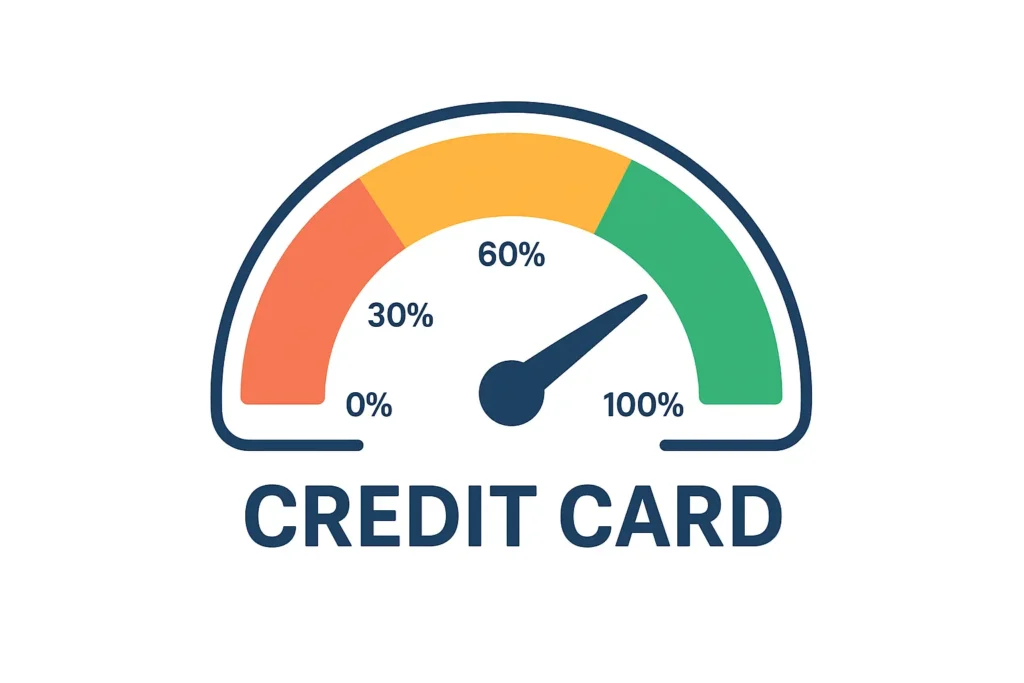
After getting my first credit card, I started using it for all my purchases. Since I had just moved to this country, my expenses were low, and so was my credit limit. I decided to use only around 60% of my limit during the first three months. This way, I could give the impression to my bank that I was a responsible user who didn’t max out the card.
I already knew this trick from my experience in India, where I had been using credit cards for over six years and had one of the top CIBIL scores. But in this new country, none of that mattered—I had to start building my credit history from scratch.
Each month, as soon as I received my credit card bill, I paid it the very next day. Again, this was a deliberate move to show my bank that I was using the card mainly for tracking expenses, not because I was dependent on credit or chasing new cards.
Checking My First Credit Score
After three months of consistently using only about 60% of my limit and paying the bill right away, I finally checked my credit score using Experian, which is one of the leading credit bureau services in this country. (In India, there are several others, which I’ve covered here: How to Check Your Credit Score in India for Free in 2025 —feel free to read it.)
I got my credit score of 250 out of 999 (in India the range is different, but the process of building credit is the same). I was actually happy with this score since it had only been three months, but I wanted to take things further by putting more of my monthly expenses on my credit card—groceries, lunch, dinner, bills, and so on—mainly to track where my money was going.
Increasing My Credit Limit
So, I checked my mobile banking app to see if there was an option to increase my credit limit. Luckily, it was available—and to my surprise, the bank immediately approved it, doubling my limit to £1,000. Within just a minute, my card was upgraded to the higher limit—voilà!
This meant I could now start running all my monthly expenses through my credit card. The best part was that in this country, credit cards were accepted almost everywhere.
Three More Months of Consistency
For the next three months, I kept using the same credit card without worrying about or rechecking my credit score. Life was simple: do all my shopping with the card, and as soon as the bill arrived, pay it off in full.
After six months, my score had already reached around 440 points—and I hadn’t done anything special. Just by paying all my expenses with the card and clearing the bill on time, my score kept improving. That’s it—simple and consistent.
A single credit card was enough to bring my score to this level. But this wasn’t the end of my journey—because to secure a good mortgage interest rate in that country, you generally need a score of 800+.
Month 6 to 12: Strengthening My Credit Score
Staying Consistent With Credit Card Usage
I continued the same process for a year. Since my credit card limit had increased, I was able to use only about 40–50% of the limit each month. For larger purchases, I used my bank debit card, as my credit limit wasn’t very high.
Using “Pay Later” Services Wisely
Along with my credit card, I also used the “pay later at 0% interest” option provided by many online e-commerce websites. In India, even “no-cost EMI” usually comes with extra GST charges, but in this country, it was truly 0% interest. Read more: No-Cost EMI: Is It Really Free? My Experience Using It
The catch was simple: the repayment had to be made within 2–3 months, otherwise, interest charges would apply, and missing payments would hurt my credit score. In my case, I always paid these installments on time. Over six months, I used pay later services around four times, each counted as a short-term loan in my credit history. Paying them off responsibly gave a significant boost to my credit score.
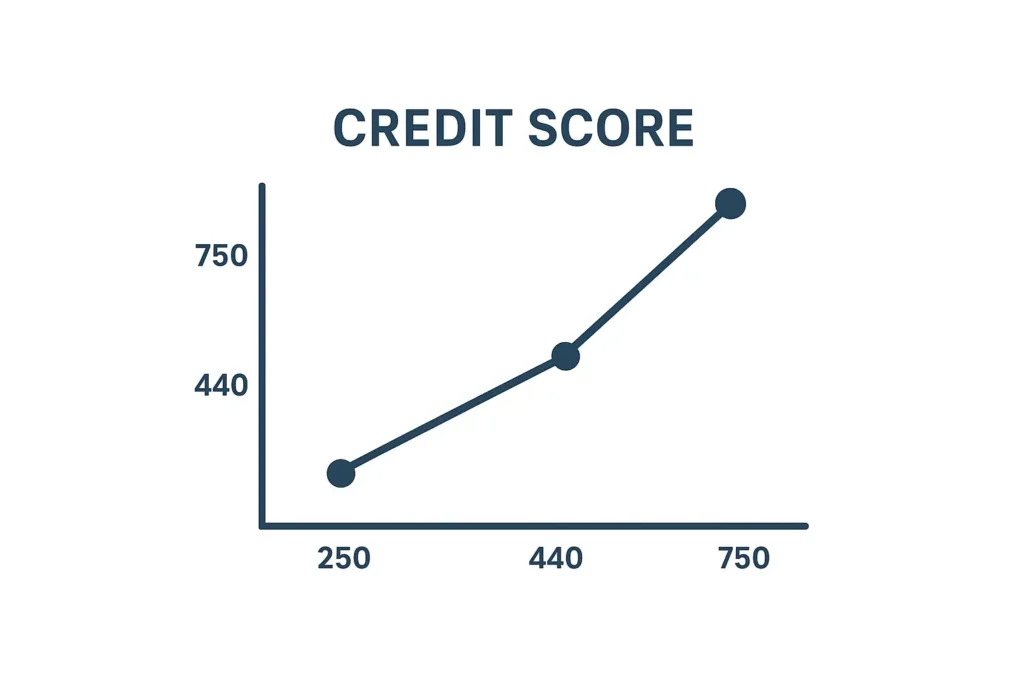
When I checked my score after 12 months, it was already around 750—way beyond my expectations.
Putting Bills in My Name
Another step I took was ensuring all my utility bills were under my name—water, electricity, internet, house tax, and more. By doing this, every on-time payment was reported to the credit bureau, further strengthening my credit profile.
Avoiding Hard Checks
I never applied for new credit cards or clicked on offers that required a hard credit check. I always declined such requests. If it was just a soft check, I was fine with it. (If you’re unsure why hard checks can hurt, I’ve explained it in detail in my previous post— How to Check Your Credit Score in India for Free in 2025 )
Playing Safe While Building Strong Credit
So, I played it safe for an entire year, focusing on consistent payments and avoiding unnecessary risks. This strategy allowed me to build a strong credit score and prepare to apply for my first home loan.
But this wasn’t the end—because I discovered one more hack that increased my score by 100+ points.
Bonus: How I Got an Extra Boost to My Credit Score
This section may not be applicable to some of you in India, but I’m still sharing my experience, One day I decided to check my credit score again on Experian, where I found a one-month trial of their premium service. The offer included a feature to “boost” my score if I provided them access to my bank statements for the past year. Essentially, they needed my spending history to determine whether my credit score could be adjusted upward based on my financial behavior.
Initially, I was reluctant to share my transaction history. But after reading real user reviews on Reddit and personal blogs (I avoided commercial blogs since they are often paid promotions), I found the service to be legitimate. They don’t sell your data; they simply review your transactions to ensure your score is accurate and fair.
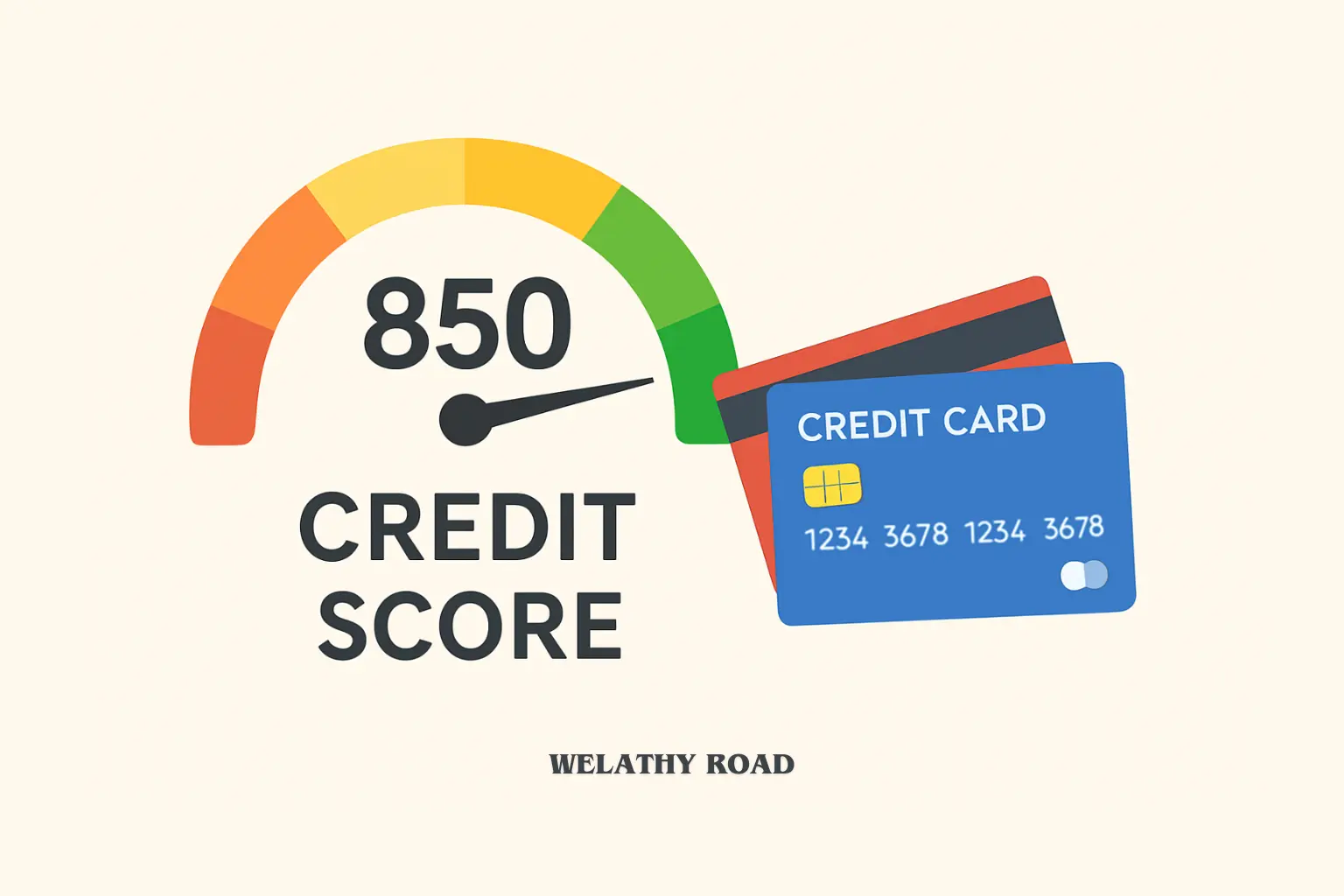
So, I went ahead and provided them access. By the very next day, after reviewing my records, they gave me a +100 point boost—taking my score to 850 🎉. I was more than happy, as this meant I was finally in a strong position to secure a good mortgage deal.
Since I only had the service as a trial for one month, I immediately decided to apply for my mortgage within the same month—just in case my boosted score dropped back down if I didn’t continue the subscription 😃.
See you next time 👋
In just 12 months, I went from 0 credit history to an 850 credit score in a new country. The key was simple: use credit wisely, keep utilization low, pay every bill on time, avoid unnecessary hard checks, and leverage tools like pay-later services and Experian Boost.
Building credit isn’t about shortcuts—it’s about consistency and patience. If you stay disciplined, your score will grow faster than you think.
I’d love to hear about your journey too! If you have any experiences or tips to share, feel free to connect with me through the Contact Us page —and don’t forget to subscribe to our newsletter from the bottom or sidebar.